
PART 6 – FORGIVENESS
"To be human is to be imperfect."
Forgiveness
What goes wrong needs to be fixed.
Humans by nature are imperfect. We make mistakes and do wrong. We suffer the consequences. When this occurs we need to seek forgiveness and give forgiveness to others.
The transgressions we make are derived from:
Sin
Failure
Mistakes
Forgiveness can be difficult to give or seek. At times we sin, fail, and make mistakes. Additionally, we make decisions and cause outcomes that have both positive and negative outcomes. These make it unavoidable at times to cause some harm. Regardless of how harm is caused, we need to seek forgiveness.
***
Giving or seeking forgiveness is difficult and the nature of an indiscretion affects the level of difficulty. Our character and the influence of vice such as pride, wrath, ignorance, and hatred make it even harder.
Sin. Sin is when we act outside of our rules of conduct (our accepted morals) and or we engage in vice. It is best understood by examination of ‘The First Precept.’
Failure. Failure is when we cannot achieve our intentions (for ourselves or others). This might be as significant as being unable to provide for our family or being unable to complete some tasks resulting in harm being caused.
Mistakes. Mistakes occur for a myriad of reasons and include misinformation, poor judgement, inattention, or lack of due care.
Sin, failure, or mistakes may be trivial, or they may be significant. How we deal with forgiveness has a great deal to do with this significance and frequency.
Seeking forgiveness
Seeking forgiveness is a virtue because it demonstrates that we have accepted that we have caused harm and are seeking remediation. Significant sin, failure or mistake require equally significant effort and actions to achieve forgiveness. Small matters may quickly and easily be forgiven, but seeking forgiveness is still important.
The components of seeking forgiveness are:
Acceptance
Empathy (and Remorse)
Remediation
Communication
While all the components of forgiveness are necessary to achieve forgiveness, they do not occur in any logical sequence, and they also overlap.
Acceptance. The first part of seeking forgiveness is acceptance that harm (whether intentional or not) has been caused and communicating this to the prospective forgiver.
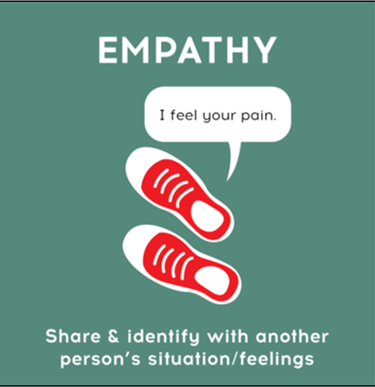
Empathy. Empathy is achieved by placing oneself in the position of the other person and appreciating their pain or loss. Empathetic feelings need to be communicated to the giver of forgiveness to help with the forgiveness process. How this occurs is difficult to quantify but in the most simplistic of instances it might take the form of a sincere apology.


Note: Some persons (sociopaths/psychopaths/narcissists) are incapable of empathy and only seek forgiveness when it is for their own gain or need.
Remediation. Remediation or rectification of the harm or damage done follows acceptance. The first and simplest form of remediation is to undo the harm caused. This can be achieved by replacement or returning what was lost or harmed. We effectively undo what was done. Where this is not possible the alternative is to do good. In this instance we compensate for the harm done. In a legal framework, this is always financially based; but in human relations, compensation may be given in many forms such as repairing or replacing the harm done or providing something else of equitable value.
Undoing what was done or providing equal compensation may be insufficient remediation for forgiveness. This is based on the pain and suffering, or lost opportunities incurred in addition to the direct harm. This is reasonable and often needed for the giver/seeker to move on. Sometimes however, a mediator may be needed to balance the emotive issues and to reach a levelled and achievable outcome. A mediator can be used:
to provide objective assessment of the harm caused
to provide objective assessment of remediation
Communication. Communication between the seeker/giver of forgiveness is needed to facilitate the passing of awareness of the full nature of the loss/harm and that acceptance and empathy has occurred. Remediation is also facilitated by communications as all involved need to work together to achieve either undoing or compensating the harm, as necessary.
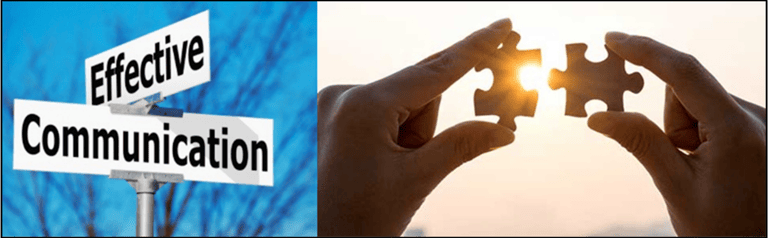
Communications is the most difficult step in forgiveness with either the seeker or giver unable to face the other and consider what has occurred. Mediators and representatives can assist. They can manage and facilitate communications with a view to reciprocal acceptance and empathy between the giver/seeker.
Giving forgiveness
Forgiving is a virtue. It may be sought, or it may be given with or without consent or request.
We forgive because forgiveness:
allows us to move on from loss or harm received
is a charitable gift to the receiver
may facilitate undoing or compensation of harm
Moving on. Giving forgiveness is not so much a process but rather part of grieving, while seeking forgiveness is very much a process. The natural responses to being harmed are both emotional and physical. The harm inflicted causes us pain and distress and incites a desire to retaliate. While there is a need for self-defence (to prevent further harm), little if anything is ever achieved from retaliation.
Emotional bitterness and hate stymie growth and divert effort towards illegitimate pursuits of no value. Hate is a vice to be conquered and overcome. It biases decisions and clouds thoughts. Our actions need to be measured and moral. Forgiving helps to overcome hate and bitterness. Whether sought or not, after a time of grieving, there comes a time to forgive. Focus can then return to the present, and planning for the future. Remaining in the past serves no purpose.
Charitable gift. When given, forgiveness is a gift and is the choice of the giver.
Remediation. Being prepared to forgive opens the pathway for communications and facilitation of efforts to undo or compensate for the harm or loss caused. While evil exists in the world, most of the harm or loss inflicted upon us will be by mistake, failure or from moral persons who have sinned and strayed from their moral path.
Judgement
Human nature is diverse with everyone having different sets of values, bias, and influence. People place different value on loss or harm caused and therefore on what is appropriate remediation. Judgement is part of forgiveness as it supports both the seeker and the giver. A harm-doer may be unaware of the harm they have inflicted, or they may see remediation as excessive. A giver of forgiveness must judge whether empathy is sincere and whether forgiveness is deserved.
The best that can be achieved is a reasonable judgement confirmed by wisdom and communications with others. Communication, consultation, and advice are what are needed to ensure judgements are balanced and reasonable.
Perdition
The first step for a return from ruin, is acceptance of guilt and remorse, as part of seeking forgiveness. Where self-forgiveness is required, then seeking advice (counselling) from others is important because judgement of ourselves can be prejudiced by self-bias (too forgiving or not forgiving at all). Effectively, we need a mediator for our own thought processes.


This Chapter considers what goes wrong. Sin, Failure and mistakes. Seeking forgiveness. Acceptance, remediation, empathy and remorse. Communications to resolve moral indiscretions or wrongs. Giving forgiveness and moving on. Perdition as a permanent state without forgiveness.